An experience of care with family members of victims of homicide and robbery followed by death from a systemic perspective
Keywords:
Violence, Mourning, Homicide, Robbery followed by death, Family, Systemic, VictimAbstract
This work presents the experience of family therapy, within a systemic perspective, applied in an institutional context (Cravi - Center for Reference and Support to Victims), with family members of fatal victims resulting from homicide and robbery followed by death. It sought to verify what would be the relationship between communication, blocking of the expression of feelings due to the loss, manifestations of symptoms of family members and functionality of mourning. It also sought to evaluate whether it was possible, within a brief perspective, to contribute with these family members so that, from a more open communication, they could move forward in their lives without having to develop symptoms. The report of a case was used to make the qualitative evaluation, based on the description of the family care and the indication of the main interventions carried out, having as a basis the systemic theoretical assumptions. It was observed that from a work of removing the obstacles and blockages that prevented a more open, clear and direct communication among the members of the family system, it was possible for them to share the experience of the loss lived, express the feelings arising from it and abandon patterns of interaction and dysfunctional expressions through emotional and physical symptoms. The family was able to find its own functionality of mourning and move forward.
Downloads
References
BERTALANFLY, Ludwig Von. A teoria geral dos sistemas. Petrópolis: Vozes, 1977.
BROMBERG, Maria Helena P. F. A psicoterapia em situações de perdas e luto. 2. ed. Campinas: Editorial PSY II, 1997.
BROMBERG, Maria Helena P. F.; KOVÁCS, Maria Júlia M.; CARVALHO, Margarida M. J.; CARVALHO, Vicente. Vida e morte: laços de existência. São Paulo: Casa do Psicólogo, 1996.
CERVENY, Ceneide Maria de Oliveira. A família como modelo: desconstruindo a patologia. Campinas: Editorial PSY II, 1994.
ELZUFÁN, Célia. El terapeuta como un junco. Argentina: Nadir Editores, 1989.
HALEY, Jay. Psicoterapia familiar: um enfoque centrado no problema. Belo Horizonte: Interlivros, 1979.
MINUCHIN, Salvador; FISHIMAN, S. Charles. Técnicas de terapia familiar. Porto Alegre: Artes Médicas, 1990.
PISZESMAN, M. L. R. M. Terapia familiar: uma breve experiência de implantação. Dissertação (Mestrado) - PUC, São Paulo, 1995.
VASCONCELOS, Maria José Esteves. Terapia familiar sistêmica: bases cibernéticas. Campinas: Editorial PSY II, 1995.
VICENTE, Reginandréia Gomes. Ruim com ele, pior sem ele? Uma investigação com mulheres vítimas de violência. Dissertação (Mestrado em Psicologia Clínica) - PUC, São Paulo, 1999.
WALSH, Froma; MCGOLDRICK, Monica. Morte na família: sobrevivendo às perdas. Porto Alegre: Artes Médicas, 1998.
WATZLAWICK, Paul; BEAVIN, Janet Helmick; JACKSON, D. Don. Pragmática da comunicação humana: um estudo dos padrões, patologias e paradoxos da interação. 11. ed. São Paulo: Cultrix, 1998.
WILSON, M. A energia. Rio de Janeiro: Livraria José Olympio, 1971.
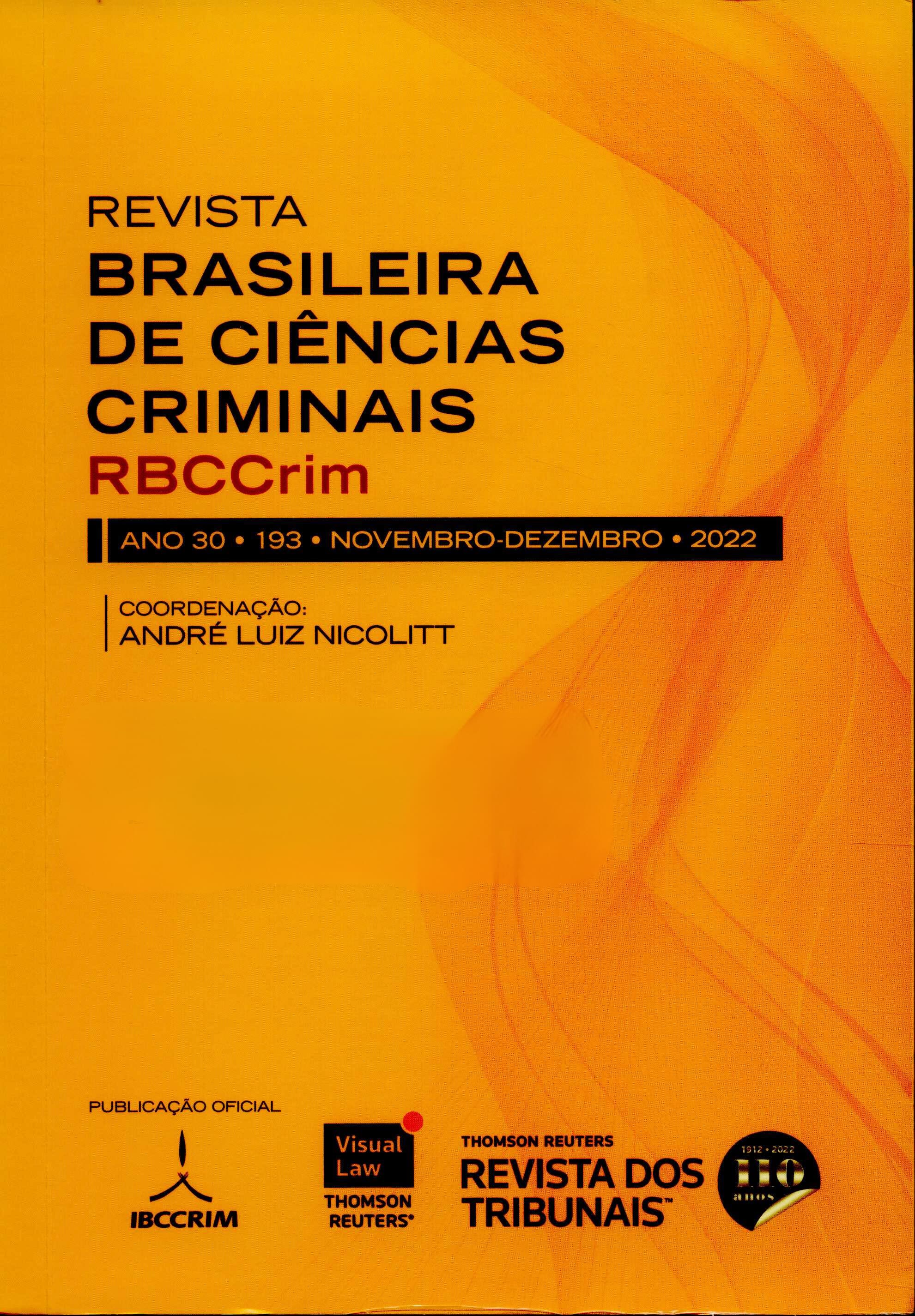
Downloads
Published
How to Cite
Issue
Section
License
Os direitos autorais dos artigos publicados são do autor, com direitos do periódico sobre a primeira publicação.
Os autores somente poderão utilizar os mesmos resultados em outras publicações indicando claramente este periódico como o meio da publicação original. Se não houver tal indicação, considerar-se-á situação de autoplágio.
Portanto, a reprodução, total ou parcial, dos artigos aqui publicados fica sujeita à expressa menção da procedência de sua publicação neste periódico, citando-se o volume e o número dessa publicação. Para efeitos legais, deve ser consignada a fonte de publicação original.