Brief notes on the crime of simulated duplicate invoice
Keywords:
Simulated duplicate invoice, Credit instrument, Mandatory acceptance, Commercial credit, AtypicalityAbstract
The text examines the crime of simulated duplicate invoice, starting from the origin of the commercial duplicate in Brazilian commercial law and its originality, embodied in the mandatory acceptance, which binds the drawee to payment regardless of signature. It analyzes "cold" duplicates and the evolution of art. 172 of the Criminal Code, with the wording given by Law 5,474/68, which protected commercial credit, and the amendment made by Law 8,137/90, which began to protect the interests of consumers and buyers. It argues that, after 1990, the issuance of a duplicate without support in an effective sale is atypical conduct, requiring, for punishment, the configuration of the crime of estelionato.
Downloads
References
-
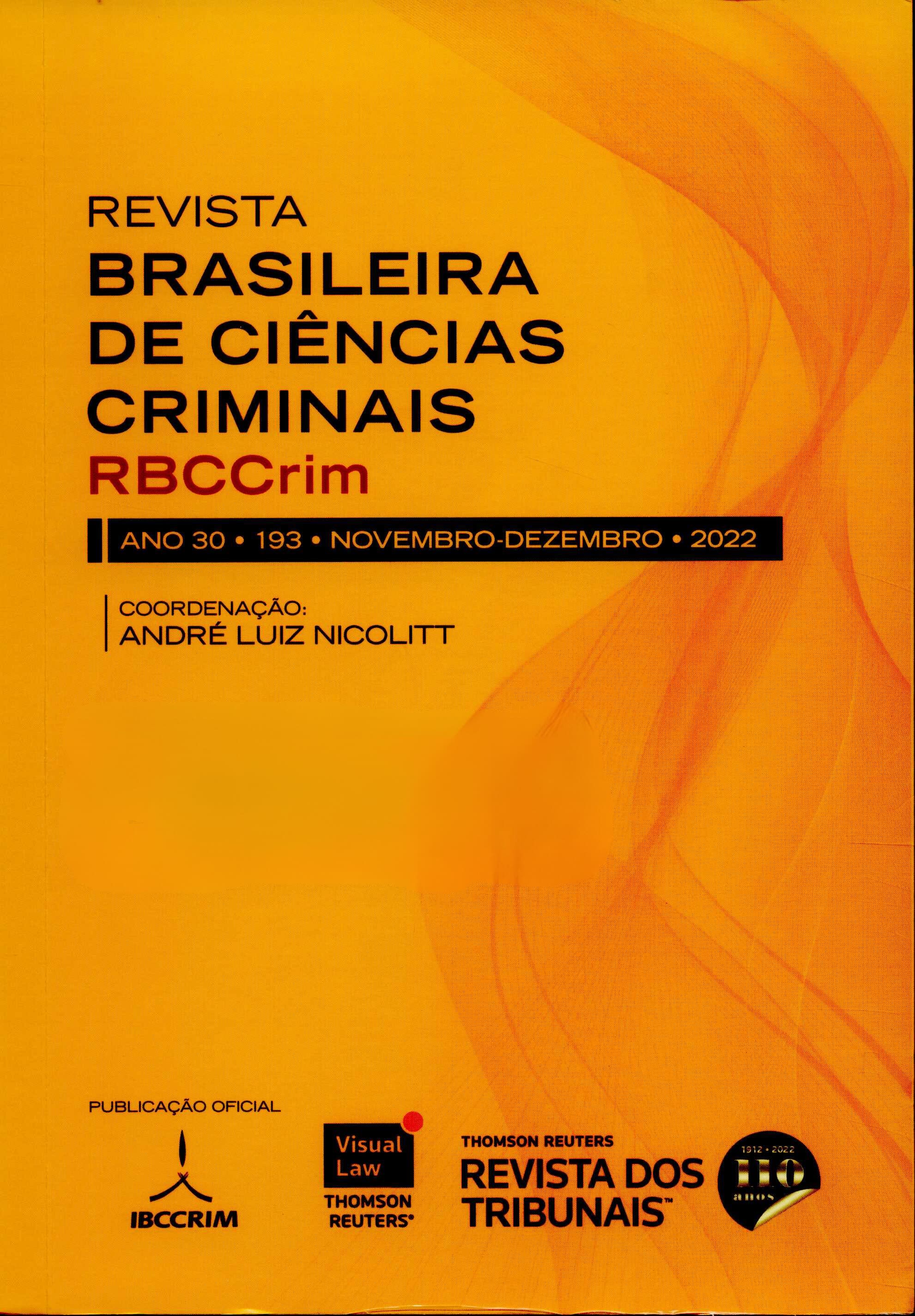
Downloads
Published
How to Cite
Issue
Section
License
Os direitos autorais dos artigos publicados são do autor, com direitos do periódico sobre a primeira publicação.
Os autores somente poderão utilizar os mesmos resultados em outras publicações indicando claramente este periódico como o meio da publicação original. Se não houver tal indicação, considerar-se-á situação de autoplágio.
Portanto, a reprodução, total ou parcial, dos artigos aqui publicados fica sujeita à expressa menção da procedência de sua publicação neste periódico, citando-se o volume e o número dessa publicação. Para efeitos legais, deve ser consignada a fonte de publicação original.