Telephone interception
illegal evidence
Keywords:
Telephone interception, Illegal evidence, Fruits of the poisonous tree, Autonomous evidence, Drug traffickingAbstract
The article examines the validity of telephone interception as evidence in criminal proceedings, based on a habeas corpus judged by the Federal Supreme Court in favor of a police chief convicted of involvement with drug trafficking. The exposition reconstructs the votes cast, which discuss the illegal nature of the evidence, the fruits of the poisonous tree doctrine and its exceptions, with support from American case law. The investigation examines whether the condemnatory decisions were based exclusively on the interception or on autonomous evidence, such as the release of thirty-seven detainees. The text concludes, by a tie, by granting the order and absolving the patient.
Downloads
References
BRASIL. Supremo Tribunal Federal. Habeas Corpus 69.912-RS.
BRASIL. Supremo Tribunal Federal. Habeas Corpus 72.588-PB.
BRASIL. Supremo Tribunal Federal. Habeas Corpus 73.510-SP.
BRASIL. Supremo Tribunal Federal. Habeas Corpus 74.116-SP.
BRASIL. Supremo Tribunal Federal. Habeas Corpus 74.530.
BRASIL. Superior Tribunal de Justiça. Habeas Corpus 3.982-RJ. Relator: Min. Adhemar Maciel.
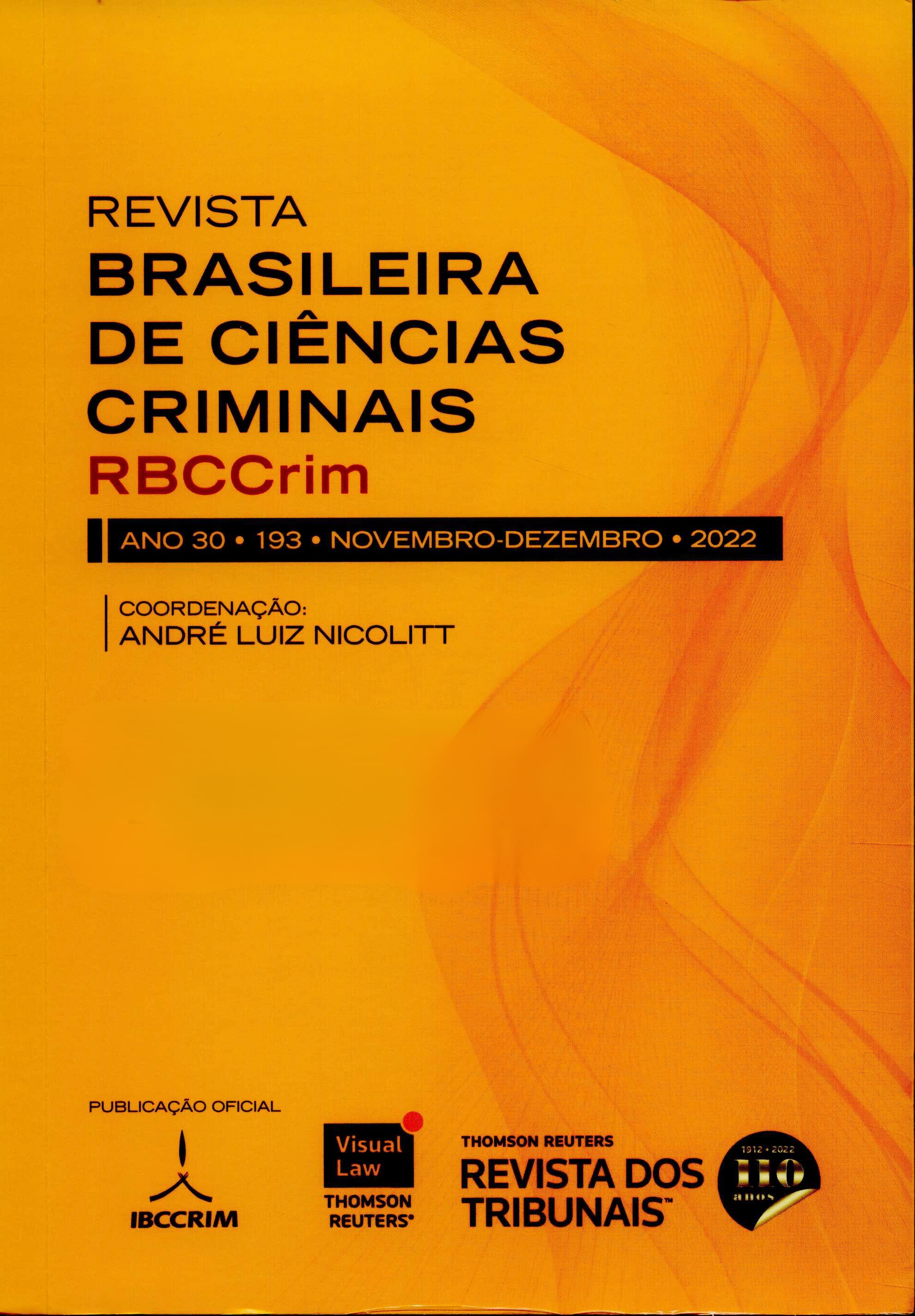
Downloads
Published
How to Cite
Issue
Section
License
Os direitos autorais dos artigos publicados são do autor, com direitos do periódico sobre a primeira publicação.
Os autores somente poderão utilizar os mesmos resultados em outras publicações indicando claramente este periódico como o meio da publicação original. Se não houver tal indicação, considerar-se-á situação de autoplágio.
Portanto, a reprodução, total ou parcial, dos artigos aqui publicados fica sujeita à expressa menção da procedência de sua publicação neste periódico, citando-se o volume e o número dessa publicação. Para efeitos legais, deve ser consignada a fonte de publicação original.